India's HR Technology Renaissance
The Indian business landscape is undergoing rapid digitization. Startups and Small and Medium Enterprises (SMEs) that traditionally operated on manual logs, register books, and standalone calculators are recognizing the efficiency of unified HR technology. In 2026, HR automation is no longer a luxury—it is the engine powering operational scale and employee satisfaction.
1. AI-Powered Talent Acquisition
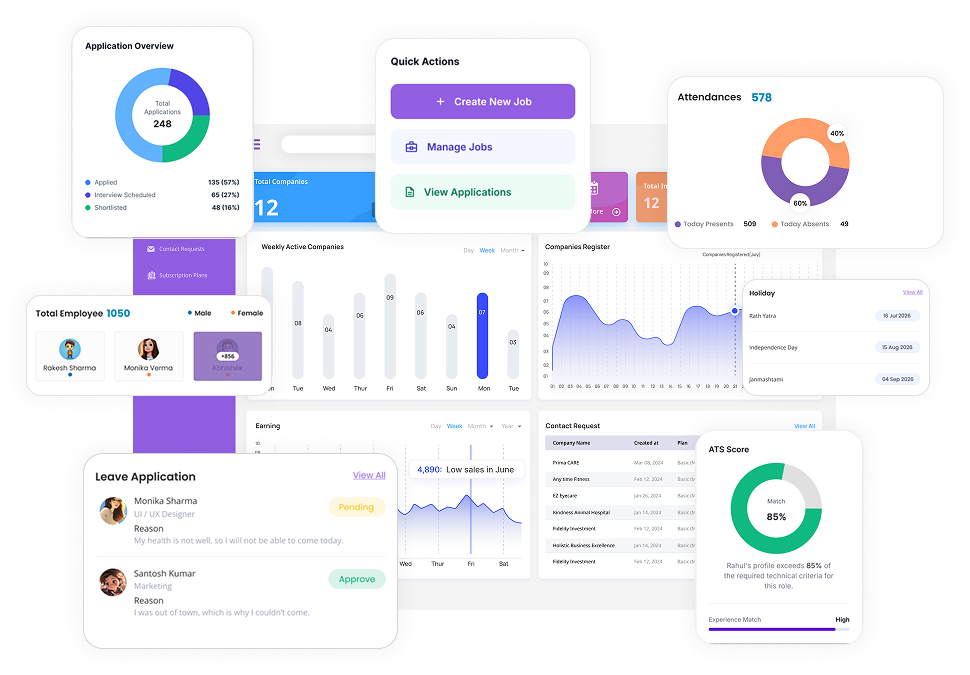
Recruiting in India is challenging due to the sheer volume of applicants. AI screening tools now help HR managers:
- Automatically screen thousands of resumes to find the best fits based on skill matching.
- Schedule interviews and follow-up updates via AI chatbots on WhatsApp, the most widely used messaging channel in India.
- Provide instant feedback to candidates, reducing the talent drop-off rate.
2. Mobile-First & Geofenced Attendance
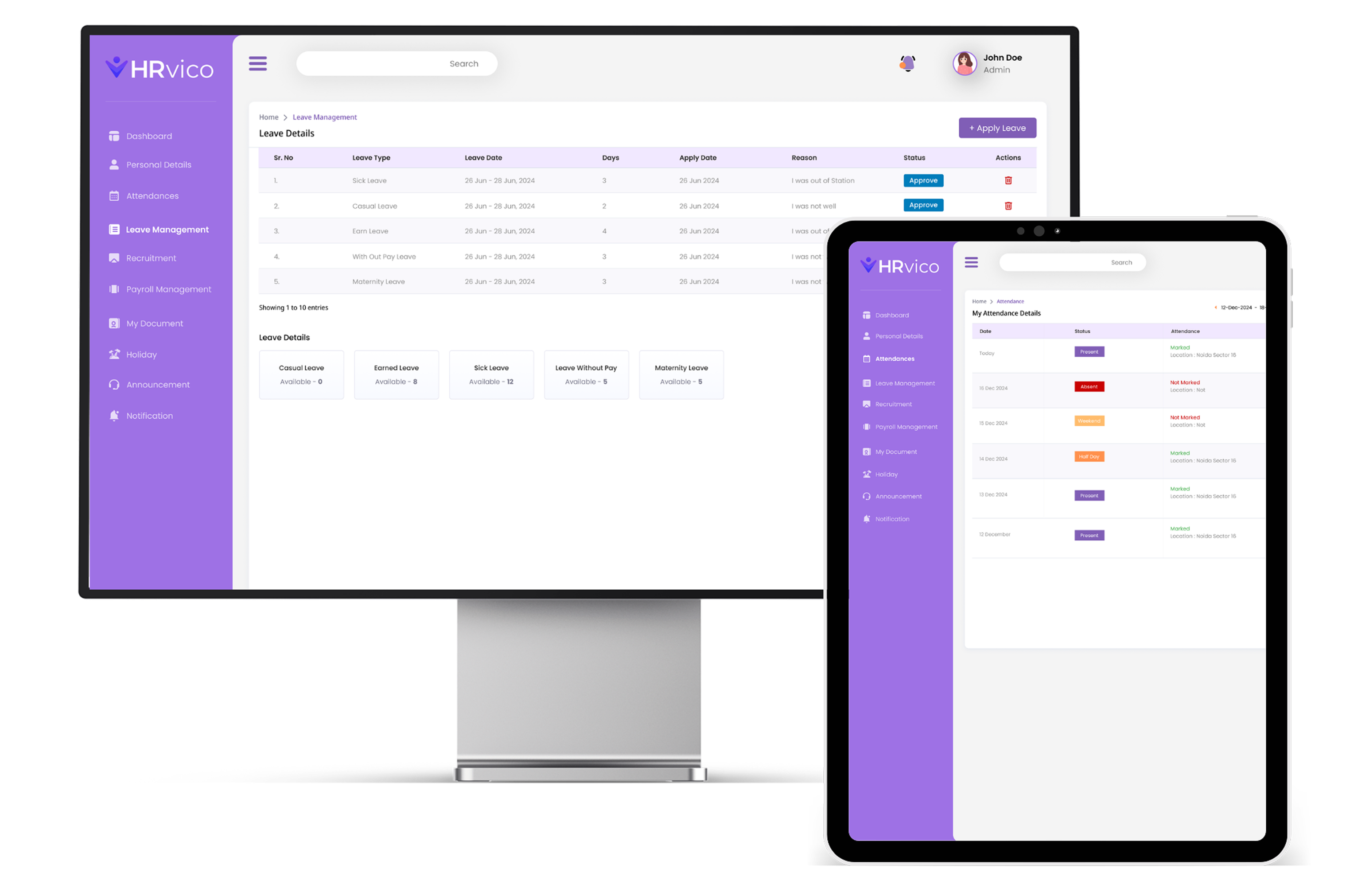
With field sales, client sites, and remote work being highly common in India, traditional biometric fingerprint scanners are becoming obsolete. Modern HRMS platforms use mobile apps with geofencing:
- Employees can mark attendance only when they are within a designated radius of their work site.
- Supports real-time GPS tracking for field executives, ensuring transparent attendance logs.
- Integrates directly with facial recognition or mobile biometric locks for high security.
As remote and hybrid operations expand across tier-2 and tier-3 Indian cities, mobile-first cloud HRMS systems are bridge-builders for company culture and operations.
3. Direct API Tax & Bank Integrations
In 2026, payroll platforms are directly integrated with government portals and banking systems. Instead of downloading payroll sheets and uploading them to separate banking portals, HR departments can click a button to directly disburse salaries, upload EPF ECR files, and pay TDS challans, shortening the monthly payroll cycle from days to minutes.